


REQUEST AN APPOINTMENT
LET'S CONNECT NOW
Schedule your no obligation consultation by fill out the form below.

```html
PIGMENTATION & SKIN HEALTH
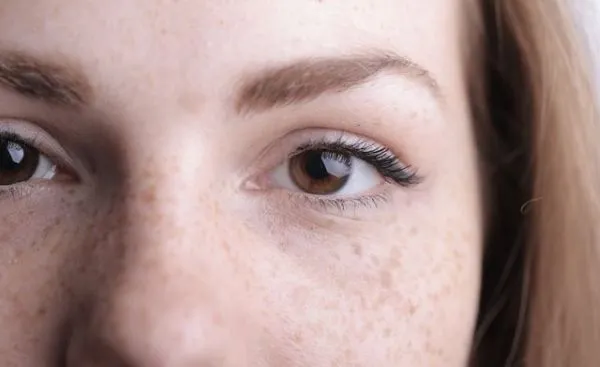
Have your dark spots faded after treatment, only to appear again a few weeks or months later? Recurring pigmentation can be frustrating, but it doesn't necessarily mean your treatment failed. Understanding the underlying cause is an important step towards longer-lasting improvement.
You invest time in skincare, follow a pigmentation treatment plan and finally begin to notice a more even complexion. Then, gradually, those brown patches or dark spots start becoming visible again.
This is a common concern, particularly with conditions such as melasma and post-inflammatory hyperpigmentation. Pigmentation treatments can reduce excess colour in the skin, but they may not eliminate the triggers that caused it in the first place.
The key is to treat both the existing pigmentation and the factors that encourage it to return. This often means combining the right treatment with consistent sun protection, gentle skincare and management of any underlying skin condition.
Pigmentation may return because the skin is exposed to sunlight or visible light, hormonal influences continue, acne or irritation triggers new dark marks, or the original condition is naturally recurrent.
Treatment can improve pigmentation, but maintenance is often necessary. The most effective plan depends on identifying the type of pigmentation rather than repeatedly using the same treatment for every dark patch.
Pigmentation develops when the skin produces or retains excess melanin, the pigment responsible for skin colour. Different conditions can increase melanin production, and several triggers may be active at the same time.
Light exposure can stimulate pigment production and darken existing marks, even after a successful treatment course.
Melasma and other pigment-related conditions may need ongoing management rather than a single treatment course.
New acne, eczema, harsh skincare or treatment-related irritation can lead to additional dark marks.
Stopping prescribed maintenance care too soon or not protecting the skin consistently may allow pigmentation to become noticeable again.
Another possibility is that the original pigmentation was only partially improved. Some pigment may remain deeper in the skin, or a different condition may be contributing to the discolouration. A dermatologist can reassess the diagnosis when pigmentation repeatedly returns.
One of the most common reasons pigmentation becomes darker again is exposure to ultraviolet radiation from the sun. Visible light can also worsen certain conditions, especially melasma in people with darker skin tones.
Even if you use pigmentation creams or undergo a laser session, ongoing exposure without adequate protection can stimulate the skin to produce more pigment. Everyday activities such as commuting, walking outdoors, sitting near bright windows or spending time outside can add to your exposure.
Important: Sunscreen is not just an after-treatment precaution. For many forms of pigmentation, consistent sun protection is a long-term part of the treatment plan.
Not all dark spots behave in the same way. Identifying the type of pigmentation helps determine why it may be returning and which treatments are appropriate.
These conditions can sometimes look similar. If pigmentation keeps returning despite treatment, the next step may be to confirm the diagnosis rather than simply increase the strength of your products or repeat a procedure.
Melasma can be influenced by hormonal changes, including pregnancy and certain hormonal medications. Genetic predisposition also plays a role. This is one reason it may persist or recur even when you follow a treatment plan carefully.
Other factors, including sunlight, visible light and skin irritation, may contribute to flare-ups. Heat may also be a concern for some individuals, although triggers vary from person to person.
If you suspect a medication or hormonal change is affecting your pigmentation, discuss it with your healthcare professional. Do not stop prescribed medication or start hormonal or oral pigmentation treatments without medical advice.
For melasma, the goal is often to control the condition and reduce flare-ups over time, rather than promise permanent removal after one procedure.
It can be tempting to use multiple brightening serums, exfoliating acids, scrubs and strong creams in an effort to remove pigmentation faster. However, excessive exfoliation and irritating products can damage the skin barrier and trigger inflammation.
In some people, particularly those prone to post-inflammatory hyperpigmentation, that irritation may leave additional dark marks.
A simpler routine may be more helpful: a gentle cleanser, a suitable moisturiser, daily sunscreen and only those active ingredients recommended for your skin and diagnosis.
If a product causes significant irritation, stop using it and seek advice if symptoms persist. Do not attempt to treat irritation by adding more exfoliating or bleaching products.
Professional treatments can help improve selected types of pigmentation, but the result depends on the diagnosis, treatment method, skin type and aftercare. Some procedures can also cause temporary inflammation. In susceptible skin, that inflammation may lead to post-inflammatory hyperpigmentation.
This does not mean that laser treatments or chemical peels are unsuitable for everyone. It means that the procedure, settings, timing and aftercare need to be chosen carefully.
Ingredients and prescription creams may reduce excess pigment. The correct choice, duration and maintenance plan depend on the condition and your skin's tolerance.
Selected peels may improve certain pigmentation concerns, but overly aggressive treatment or poor aftercare can cause irritation and additional pigmentation.
Certain lasers can target selected pigment concerns. Results vary, and inappropriate settings or treatment of the wrong condition can increase the risk of unwanted colour changes.
For melasma in particular, procedures are not always the first or only step. A dermatologist may recommend a combination of sun protection, topical treatment and carefully selected procedures when appropriate.
Explore pigmentation removal options at Inform Clinic or learn more about laser toning. A consultation can help determine whether either approach is suitable for your specific concern.
Pigmentation rarely disappears overnight. The timeline depends on the cause, how long it has been present, how deeply the pigment is located and whether new triggers continue.
Some superficial dark marks may fade over several months once the cause has been addressed. Deeper or long-standing pigmentation can take considerably longer. Melasma may require ongoing maintenance even after visible improvement.
Do not repeat a peel or laser session simply because pigmentation has returned. The clinician should first determine whether the issue is recurrent melasma, new post-inflammatory marks, incomplete improvement or a different skin condition.
Although not every recurrence can be prevented, a consistent maintenance routine can reduce common triggers and help protect your results.
Use broad-spectrum SPF 30 or higher and reapply appropriately when outdoors. Consider tinted sunscreen with iron oxides if visible light worsens your pigmentation.
Treat active acne, eczema or other inflammatory conditions instead of focusing only on the dark marks they leave behind.
Choose products your skin tolerates. Avoid scrubbing, picking and layering too many active ingredients.
Use prescribed maintenance products only as directed. Some treatments are intended for limited courses rather than continuous use.
If dark patches repeatedly return or look different from before, revisit your dermatologist to confirm the diagnosis and adjust your plan.
Arrange a review if:
A changing or unusual spot should be medically assessed before any cosmetic treatment. Not every dark patch is ordinary pigmentation.
At Inform Clinic, a consultation can help assess your pigmentation concerns and discuss suitable treatment and maintenance options based on your skin type, triggers and treatment history.
Explore Pigmentation Treatments Book a ConsultationCall +91 7032707070
Laser treatment may reduce selected pigment, but it does not always eliminate the underlying cause. Sun exposure, melasma triggers and new inflammation can lead to recurrence. Some procedures can also cause irritation or unwanted pigment changes. The right approach depends on the diagnosis, laser settings, skin type and aftercare.
Some individual pigment spots can improve substantially with appropriate treatment, but no treatment can guarantee that all pigmentation will never return. Melasma is particularly prone to recurrence. Preventive skincare, sun protection and follow-up may be important for maintaining improvement.
Yes. Consistent sun protection helps reduce UV-triggered pigment production. Broad-spectrum SPF 30 or higher is a useful starting point. Tinted sunscreen containing iron oxides may provide additional protection against visible light, which can worsen melasma in some people.
Melasma is a recurrent pigment condition influenced by factors such as sunlight, visible light, hormonal changes and genetic predisposition. Treatments can fade the patches, but ongoing trigger management and maintenance are often needed to help control flare-ups.
Dark spots may be post-inflammatory hyperpigmentation caused by the inflammation associated with acne. Irritation from skincare products or procedures can also contribute. Managing active acne, avoiding picking and using suitable sun protection can help reduce the risk of new marks.
They can in some circumstances. A peel that is too aggressive, unsuitable for the skin condition or followed by inadequate aftercare may cause inflammation and post-inflammatory hyperpigmentation. The choice and strength of a peel should be guided by a qualified clinician.
The timeline varies. Some superficial dark marks may take several months to fade after the trigger is controlled, while deeper or long-standing pigmentation may take much longer. Melasma may need ongoing management even after improvement.
There is no single best treatment for everyone. The right option depends on whether the concern is melasma, post-inflammatory hyperpigmentation, sun spots or another condition, as well as the skin's sensitivity and pigment response. A dermatologist can select an appropriate plan and assess the risk of treatment-related darkening.
When pigmentation returns after treatment, the answer is not always another peel, laser session or stronger cream. The underlying cause may still be active, or new triggers may be creating fresh dark marks. Identifying the type of pigmentation, protecting your skin from light exposure, managing inflammation and following an appropriate maintenance plan can help improve long-term control. If the patches keep returning, have your diagnosis and treatment plan reviewed by a qualified dermatologist.
Medical disclaimer: This article is for general educational purposes only and does not replace professional medical advice, diagnosis or treatment. Pigmentation has several possible causes, and treatments may carry risks, including irritation and changes in skin colour. Consult a qualified dermatologist before starting prescription products or undergoing a procedure.


