

REQUEST AN APPOINTMENT
LET'S CONNECT NOW
Schedule your no obligation consultation by fill out the form below.

```html
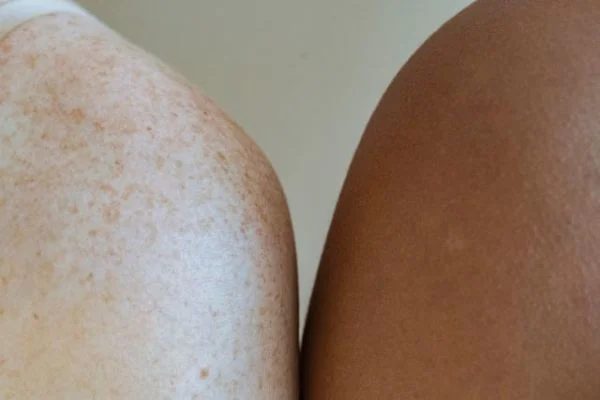
Have you noticed that your face looks darker than your arms, chest or other parts of your body? Uneven skin tone is a common concern, particularly in people who experience regular sun exposure. But facial darkening is not always caused by tanning. Pigmentation, hormonal changes, skin irritation and other conditions may also contribute. Understanding the cause is the first step towards choosing the right treatment.
Your face may appear darker than the rest of your body because it receives more frequent sun exposure, develops pigmentation more easily after inflammation, or is affected by conditions such as melasma. Skincare irritation, friction and certain medications can also contribute. The right solution depends on identifying the underlying cause rather than simply using products that promise to lighten the skin.
Your skin gets its natural colour from melanin, a pigment produced by specialised cells called melanocytes. Melanin helps protect the skin against ultraviolet radiation, but its production can increase in response to sun exposure, hormonal changes, inflammation and skin injury.
The face is particularly exposed to environmental factors. Unlike much of the body, facial skin is rarely covered by clothing throughout the day. It may also be exposed to sunlight while driving, walking outdoors or sitting near windows.
As a result, the face can gradually develop a darker appearance than areas of the body that remain covered. In some cases, however, the difference is caused by a specific pigmentation disorder rather than ordinary tanning.
Several factors can contribute to facial darkening. More than one may be present at the same time.
The face receives regular UV exposure, which stimulates melanin production. Even short periods outdoors can contribute to tanning over time, particularly when sunscreen is not used consistently.
Melasma causes brown or grey-brown patches, commonly on the cheeks, forehead, nose and upper lip. Sunlight, visible light and hormonal influences can contribute to its development or worsening.
Acne, eczema, insect bites, irritation and other inflammatory conditions can leave darker marks after the skin heals. This is particularly common in people with medium to darker skin tones.
Overusing exfoliating acids, scrubs, retinoids or irritating products may damage the skin barrier. The resulting inflammation can trigger additional pigmentation.
Frequent rubbing, aggressive cleansing, harsh facial treatments or repeated irritation around the mouth and cheeks may contribute to darker patches.
Pregnancy, hormonal influences and certain medications can contribute to melasma or other changes in pigmentation.
Some medicines can cause changes in skin pigmentation or increase sensitivity to sunlight. Do not stop prescribed medication without speaking to your doctor.
Certain inflammatory or pigmentary skin disorders can cause persistent facial discolouration. A dermatologist can distinguish these from ordinary tanning or melasma.
Although these concerns can look similar, they are not the same. Recognising the pattern can help you understand why your face looks darker.
| Concern | Typical Appearance | Common Triggers |
|---|---|---|
| Tanning | A relatively general darkening of sun-exposed skin. | UVA and UVB exposure. |
| Melasma | Blotchy brown or grey-brown patches, often on both cheeks, forehead or upper lip. | Sunlight, visible light, hormonal influences and genetic susceptibility. |
| Post-inflammatory pigmentation | Dark marks where acne, irritation or inflammation previously occurred. | Acne, eczema, injury, burns or irritating products. |
| Medication-related pigmentation | Variable patches or more widespread discolouration. | Certain medicines or medication-related sun sensitivity. |
These are general descriptions, not a way to diagnose yourself. Different pigmentation conditions can overlap, and a dermatologist may need to examine the skin to identify the cause.
Indian skin includes a wide range of natural skin tones and characteristics. Many people with medium to darker skin tones are more susceptible to noticeable post-inflammatory hyperpigmentation following acne, irritation or skin injury.
This does not mean that darker skin is unhealthy or that everyone with Indian skin will develop pigmentation. It means that certain triggers can produce more visible or persistent dark marks in some individuals.
The goal of pigmentation treatment is to address uneven or excessive pigmentation and help restore a more even appearance relative to your natural skin tone. It is not about changing your natural complexion.
Pay attention to how the darkening looks, where it appears and when it started. These details can help a dermatologist narrow down possible causes.
May suggest tanning or more widespread pigmentation, particularly if it follows regular sun exposure.
May be consistent with melasma, especially on the cheeks, forehead and upper lip.
May indicate post-inflammatory hyperpigmentation.
May suggest irritation, contact dermatitis or another inflammatory skin condition.
A dermatologist may assess the distribution and depth of pigmentation, review your skincare products and medication history, and use tools such as a dermatoscope or Wood's lamp when appropriate. Some cases may require additional investigation.
Daily skincare habits play an important role in preventing additional sun-related pigmentation and reducing irritation.
Choose a broad-spectrum sunscreen with SPF 30 or higher. Apply it generously to the face, ears, neck and other exposed areas. Reapply approximately every two hours when outdoors, and sooner after swimming or heavy sweating.
If you have melasma or persistent pigmentation, a tinted sunscreen containing iron oxides may provide additional protection against visible light. This can be particularly useful for people with darker skin tones.
Do not depend on sunscreen alone. A wide-brimmed hat, sunglasses, shade and protective clothing can reduce direct sun exposure.
Use a mild cleanser and a moisturiser suitable for your skin type. Avoid harsh scrubbing, frequent exfoliation and unnecessary layering of active ingredients.
Untreated acne, eczema and repeated skin irritation can lead to persistent pigmentation. Addressing the underlying inflammation helps reduce the risk of new dark marks.
Ingredients such as niacinamide, azelaic acid and vitamin C may be useful in selected skincare routines. Retinoids and exfoliating acids may also be considered depending on the skin concern. Introduce products one at a time and stop if significant irritation develops.
The best treatment depends on whether the concern is tanning, melasma, post-inflammatory hyperpigmentation or another condition. A dermatologist may recommend topical products, in-clinic procedures or a combination.
Depending on the diagnosis, a dermatologist may recommend ingredients such as azelaic acid, retinoids, hydroquinone or other pigment-targeting agents. Prescription treatments require appropriate supervision.
Selected chemical peels can help improve certain forms of superficial pigmentation and uneven texture. The peel type and strength must be chosen carefully, particularly for skin prone to post-inflammatory pigmentation.
Certain laser protocols may be considered for selected pigmentation concerns. The wavelength, settings and treatment plan must be tailored to the diagnosis and skin type.
Depending on the condition, a dermatologist may consider other targeted procedures or combination approaches. Not every procedure is appropriate for every pigmentation disorder.
Chemical peels and laser procedures can sometimes worsen pigmentation if the skin is irritated or treated inappropriately. Melasma can also recur. Treatment should be planned by a dermatologist experienced in managing pigmentation in skin of colour.
Explore Inform Clinic's pigmentation removal treatments and laser toning options to learn more about possible approaches.
Trying to correct pigmentation too aggressively can sometimes make it worse. Avoid the following common mistakes:
Frequent abrasive exfoliation can cause irritation and inflammation.
Home remedies can irritate skin and may cause burns or additional pigmentation.
Some unregulated products may contain potent steroids, mercury or other harmful ingredients.
Combining several acids, retinoids and brightening products can compromise the skin barrier.
Be particularly cautious with combination creams containing topical steroids. These are sometimes used in prescription treatment plans, but prolonged or unsupervised facial use can cause problems such as skin thinning, acne-like eruptions and visible blood vessels.
There is no single timeline for facial pigmentation. The time needed depends on the cause, the depth of pigment, how long it has been present and whether the triggers can be controlled.
Patience is important. Repeatedly switching products or increasing treatment strength may irritate the skin and delay improvement.
Consider a professional assessment if:
Seek prompt medical evaluation if a new dark area is rapidly changing, bleeding, painful or has an unusual appearance. Also mention any recent medication changes or other symptoms to your doctor.
A dermatologist can determine whether you have tanning, melasma, post-inflammatory pigmentation or another condition and recommend a treatment plan accordingly.
The right treatment starts with understanding why your face is darker. At Inform Clinic, a dermatology consultation can help assess your pigmentation concerns and identify suitable treatment options based on your skin type and individual needs.
Your face is exposed to sunlight more frequently than areas usually covered by clothing. This can increase melanin production and cause tanning. Melasma, post-inflammatory pigmentation and skincare irritation can also contribute to facial darkening.
Sunscreen helps prevent additional sun-related darkening and can support pigmentation treatment. It does not instantly reverse existing pigmentation, but consistent use can help prevent further unevenness and support gradual improvement.
Possible reasons include inadequate application, insufficient quantity, lack of reapplication, visible light exposure, melasma, hormonal influences or post-inflammatory pigmentation. A tinted sunscreen containing iron oxides may be useful for some people with melasma or persistent pigmentation.
Some difference in skin tone between exposed and covered areas is common because of sun exposure. However, new, persistent or patchy darkening should not automatically be considered normal. It may be associated with melasma, inflammation or another pigmentation condition.
Topical vitamin C may help improve the appearance of some forms of uneven pigmentation. However, it is not suitable for every skin type or every pigmentation condition. It should be introduced gradually and used alongside sun protection.
Appropriately selected exfoliating ingredients may help improve some superficial pigmentation and uneven texture. However, excessive exfoliation can irritate the skin and worsen dark marks. The right product and frequency depend on your skin condition.
Certain chemical peels may help with selected forms of superficial pigmentation. However, the type and strength of peel must be chosen carefully. Inappropriate treatment can cause irritation and additional pigmentation, especially in skin prone to post-inflammatory darkening.
Melasma usually appears as patches of darker pigmentation, commonly on the cheeks, forehead, nose and upper lip. In some people, these patches may merge and make larger areas of the face appear darker than the surrounding skin.
The timeline depends on the cause and depth of pigmentation. Some superficial dark marks may improve over several months, while deeper pigmentation and melasma can take longer and may need ongoing treatment.
There is no single best treatment for everyone. Sunscreen, topical pigmentation treatments, chemical peels and selected laser procedures may be considered depending on the diagnosis. A dermatologist can identify the cause and recommend an appropriate approach.
If your face is darker than the rest of your body, sun exposure may be one explanation, but it is not the only one. Melasma, post-inflammatory pigmentation, skincare irritation and other skin conditions can all contribute to uneven facial colour.
Rather than trying multiple brightening products or harsh home remedies, focus on identifying the cause, protecting your skin from sunlight and following a suitable skincare routine. If pigmentation is persistent or worsening, professional assessment can help you choose the right treatment.
The goal is healthy skin with a more even appearance while preserving your natural skin tone.
Medical Disclaimer: This article is for general educational purposes only and should not be considered a substitute for professional medical advice, diagnosis or treatment. Facial pigmentation can have several causes, and treatment should be selected according to the underlying condition. Consult a qualified dermatologist for an individual assessment.


