
REQUEST AN APPOINTMENT
LET'S CONNECT NOW
Schedule your no obligation consultation by fill out the form below.

Body Contouring Guide
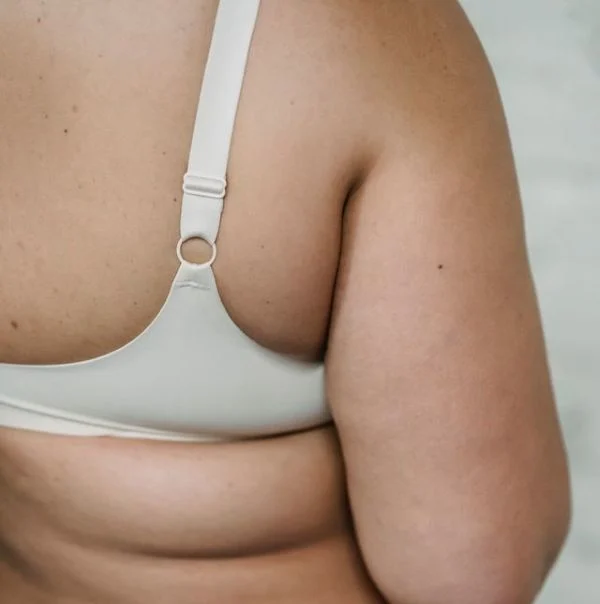
Stubborn fat around the waist, back and bra line can affect how clothes fit and how your body looks from different angles. But are these bulges caused by excess fat, loose skin or a combination of both? Understanding the difference can help you choose the right treatment.
Even people who maintain a healthy weight and exercise regularly may notice fat deposits around their flanks, lower back, upper back or bra line. These areas can be particularly frustrating because they may not change significantly with general weight loss.
The good news is that several body-contouring approaches may help improve these areas. Options range from surgical procedures such as liposuction to selected non-surgical fat-reduction and skin-tightening treatments. The most suitable choice depends on the amount of fat, skin elasticity, overall health and the result you want to achieve.
Liposuction may be suitable for clearly localised fat deposits around the flanks, back and bra line. Non-surgical body-contouring devices may help with smaller, pinchable fat pockets, while skin-tightening or skin-removal procedures may be more appropriate when loose skin is the main concern. One treatment does not suit every type of bulge.
Although these terms are often used interchangeably, they describe different areas of the body.
These areas can overlap. For example, someone may have fat deposits around the flanks as well as folds along the upper back. A body-contouring assessment should consider the entire waist and back rather than treating each bulge in isolation.
Fat distribution is influenced by several factors. Some people naturally store more fat around the waist, hips and back, even when their overall weight is within a healthy range.
It is important to remember that having back rolls or love handles does not automatically mean you are unhealthy or overweight. Body shape varies naturally from person to person.
This is one of the most important questions to answer before choosing a body-contouring procedure. A treatment designed to reduce fat may not correct loose skin, and removing fat without considering skin quality can sometimes make laxity more noticeable.
| What you notice | Possible cause | Treatment consideration |
|---|---|---|
| A soft, pinchable bulge | Localised fat | Liposuction or selected non-surgical fat reduction |
| Thin, hanging or crepey skin | Reduced skin elasticity or excess skin | Skin-tightening assessment; surgery may be needed for significant excess skin |
| A bulge with sagging or folds | Combination of fat and loose skin | A combination approach may be considered |
| A firm or unusual lump | Not necessarily cosmetic fat | Medical examination before considering cosmetic treatment |
A consultation with a qualified plastic surgeon or appropriately trained medical professional can help identify the tissue responsible for the bulge and determine whether a cosmetic procedure is appropriate.
There is no single procedure that works equally well for every flank, back or bra-line concern. The following options may be considered depending on the individual's anatomy and treatment goals.
Liposuction is a surgical procedure that removes excess fat from selected areas through small incisions using a thin cannula connected to suction.
It can be used to contour areas such as:
For suitable candidates, treating connected areas may help create a more balanced transition between the waist, back and hips rather than leaving an abrupt difference between treated and untreated areas.
Who may be suitable? People who are generally healthy, close to a stable weight, have localised fat deposits and have reasonably good skin elasticity may be considered. Liposuction is not a weight-loss procedure and does not reliably correct loose or hanging skin.
Learn more about liposuction at Inform Clinics.
VASER liposuction is an ultrasound-assisted liposuction technique. It uses ultrasound energy to help separate fat cells before they are removed using suction.
Depending on the patient's anatomy and the surgeon's assessment, it may be considered for selected areas around the waist, flanks and back where more detailed contouring is desired.
However, VASER is not automatically better than every other liposuction technique. The suitability of the method depends on the fat distribution, skin quality, treatment area and surgeon's experience. It is still surgery and carries risks.
Some people have relatively small, pinchable fat deposits but do not want surgery or are not suitable candidates for it. Depending on the treatment area and available technology, non-surgical fat reduction may be considered.
Different devices use technologies such as controlled cooling, radiofrequency, ultrasound or other forms of energy to target fat or improve the appearance of treated tissue.
Potential advantages include:
However, results are usually more modest than surgical fat removal, multiple sessions may be needed, and not every device is suitable for every body area. Some treatments can cause bruising, swelling, discomfort, burns or changes in skin sensation. Certain fat-freezing procedures also carry a rare risk of paradoxical adipose hyperplasia, in which the treated fat enlarges instead of shrinking.
Non-surgical fat reduction is not a substitute for weight management or liposuction. It is also important to confirm that the specific device is appropriate and authorised for the intended treatment area.
Sometimes the concern is not simply excess fat. Skin may lose firmness after ageing, pregnancy or significant weight loss, leaving folds around the back or bra line.
Selected energy-based treatments may help improve mild skin laxity by stimulating collagen-related changes or heating targeted tissue. Options depend on the device, the treatment area and the degree of laxity.
HIFU and other skin-tightening technologies may be discussed where appropriate, but their ability to improve body skin laxity varies. A treatment designed for facial skin should not automatically be assumed to be suitable for the back or flanks.
For significant hanging or excess skin, non-surgical tightening may not provide enough improvement. A surgical procedure involving skin removal may need to be discussed instead.
After substantial weight loss, some people are left with excess skin that forms folds around the back, waist or sides. In such cases, removing more fat alone may not address the main concern.
Depending on the location and extent of excess skin, a surgeon may discuss an appropriate body-lift or skin-excision procedure. These operations involve removing excess skin and usually leave scars, so the potential benefits and trade-offs need careful consideration.
For people with a combination of stubborn fat and loose abdominal skin, an assessment may also include procedures such as a tummy tuck. A tummy tuck addresses the abdomen; it is not a direct treatment for every back or bra-line fold.
The most appropriate procedure depends on what is causing the bulge. This table provides a general guide, not a substitute for an individual examination.
| Area | Main concern | Possible options |
|---|---|---|
| Flanks / love handles | Localised fat around the waist | Liposuction, VASER liposuction or selected non-surgical fat reduction |
| Lower back | Fat deposits or folds | Liposuction if fat is the main concern; skin-removal assessment if excess skin dominates |
| Upper back / bra line | Localised fat or skin folds | Liposuction for suitable fat deposits; assessment for skin laxity or other causes |
| Back folds after major weight loss | Excess skin, sometimes with residual fat | Surgical skin removal, sometimes combined with contouring |
Healthy eating and regular physical activity remain important for overall health and maintaining a stable weight. Strength training can also help improve muscle tone and posture.
However, exercise cannot selectively burn fat from the flanks, bra line or upper back. Doing more side bends or back exercises does not guarantee that fat will disappear from those exact areas.
Overall fat loss may reduce the size of these deposits, but genetics and individual fat distribution influence which areas change first and how much they change.
If a localised bulge remains despite maintaining a stable weight and healthy habits, a professional assessment can help determine whether a body-contouring procedure is worth considering.
A good consultation should involve more than simply identifying an area to remove fat from. Your surgeon or treating clinician should assess:
You should also be given an explanation of the proposed procedure, alternatives, expected recovery, possible complications and likely limitations before making a decision.
Recovery varies according to the number of areas treated, the amount of fat removed, the technique used and your general health.
Swelling, bruising, tenderness and temporary discomfort are common. Follow your surgeon's instructions on walking, wound care and compression garments.
Bruising and soreness usually begin to settle. Activity is gradually increased according to your surgeon's advice.
Swelling continues to improve and the body contour becomes easier to assess as tissues heal.
Do not judge the final result immediately after surgery. Swelling can temporarily hide the improvement. Your surgeon will advise when it is appropriate to resume exercise, wear regular clothing and assess the outcome.
All medical procedures have potential risks, including cosmetic treatments. Liposuction may cause bruising, swelling, infection, fluid accumulation, changes in sensation, contour irregularities, asymmetry, scarring, loose skin or complications related to anaesthesia. Rare but serious complications can also occur.
Non-surgical fat-reduction devices have their own risks, which vary with the technology used. These may include discomfort, bruising, swelling, burns, skin-colour changes or, in some cases, longer-lasting complications.
It is also important to understand what these treatments cannot do:
Choose a qualified and appropriately experienced medical professional, and make sure the procedure is performed in a suitable clinical setting.
The first step is understanding whether the concern is caused by localised fat, loose skin or both. At Inform Clinics, an individual assessment can help you explore suitable body-contouring options and understand what each procedure can realistically achieve.
Book a ConsultationExplore Liposuction, VASER Liposuction and Body Contouring After Weight Loss.
Yes. Liposuction may be used to remove localised fat deposits around the bra line in suitable candidates. However, if the fold is mainly caused by loose skin rather than fat, liposuction alone may not provide the desired improvement.
Yes. Flanks are commonly referred to as love handles. They are the areas on either side of the waist where localised fat can create bulges above the hips or waistband.
Selected non-surgical fat-reduction technologies may help reduce small, localised fat deposits. Their results are generally more modest than liposuction, and they may not correct significant loose skin or large folds.
Liposuction primarily removes fat; it is not a reliable skin-removal procedure. Some skin may retract after fat removal, particularly when elasticity is good, but loose or stretched skin may remain or become more noticeable.
VASER liposuction may be considered for selected flank and waist deposits. Whether it is preferable to conventional liposuction depends on your anatomy, skin quality, goals and the surgeon's assessment.
Exercise can support overall fat loss and strengthen the muscles of the back and shoulders. However, it cannot selectively remove fat from the bra line. Genetics and individual fat distribution influence where the body loses fat.
Some contour changes may be noticeable early, but swelling can obscure the result. The treated area gradually settles over the following weeks and months. Your surgeon can give you a more individual estimate based on the extent of treatment.
In selected patients, multiple connected areas may be treated during the same operation. The decision depends on your health, the total area involved, the amount of fat being removed and the safety of the proposed surgical plan.
Liposuction removes fat cells from the treated area, but it does not prevent future weight gain. Remaining fat cells can enlarge, and changes in weight can affect the overall body contour. Maintaining a stable weight helps preserve the result.
A clinical assessment is the best way to determine whether the concern is fat, loose skin or a combination. Your clinician can discuss suitable surgical and non-surgical options, expected outcomes, recovery and risks.
Flanks, back rolls and bra-line bulges can have different causes, which is why the right treatment is not always the same. Liposuction may help remove stubborn localised fat, non-surgical treatments may suit selected smaller deposits, and significant loose skin may require a different surgical approach.
The goal of body contouring should be a proportionate, natural-looking improvement that suits your anatomy—not simply removing as much fat as possible. A personalised consultation is the best starting point for understanding your options.


