
REQUEST AN APPOINTMENT
LET'S CONNECT NOW
Schedule your no obligation consultation by fill out the form below.

```html
BODY CONTOURING GUIDE
Does your abdomen, upper arms, thighs or waist look less firm than you'd like? The cause could be excess fat, loose skin, or a combination of both. Understanding the difference can help you explore the right options for your body.
Have you been exercising regularly and eating well but still notice a bulge around your abdomen? Or have you lost weight but find that your skin looks loose or hangs in certain areas?
These concerns can look similar, but stubborn fat and loose skin are two different issues. Fat reduction treatments target excess fat beneath the skin, while skin-tightening or skin-removal procedures address laxity. Choosing a treatment without identifying the main concern can lead to disappointing results.
In this guide, we'll explain the common signs of each, what causes them, and how a qualified plastic surgeon can help you understand your options.
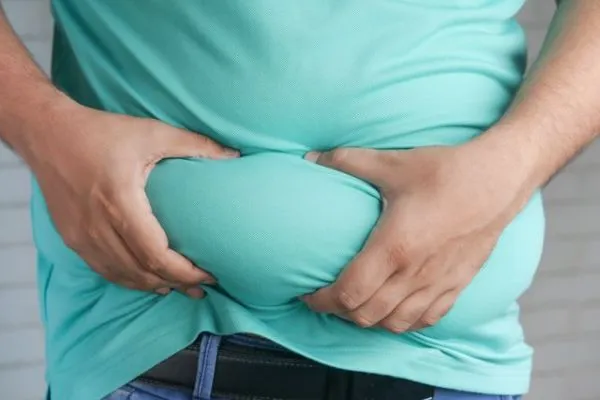
Stubborn fat often feels like a thicker, fuller layer of tissue beneath the skin and may remain in specific areas despite changes in weight.
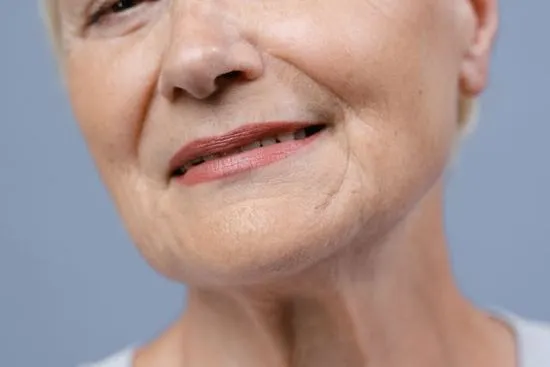
Loose skin may look thin, crepey, wrinkled or saggy, with folds that become more noticeable when you bend or change position.
Some people have both. These are useful clues, not a reliable home diagnosis. A clinical examination is the best way to determine what's contributing to your body shape.
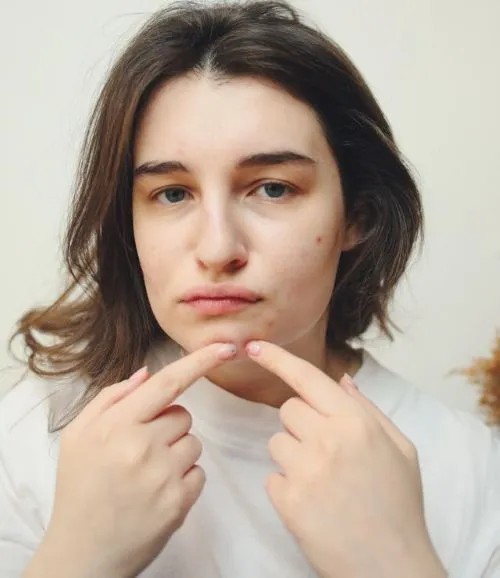
Stubborn fat refers to localised fat deposits that remain noticeable even when you follow a consistent diet and exercise routine. Common areas include the lower abdomen, flanks or love handles, hips, thighs, upper arms and under the chin.
Fat distribution is influenced by genetics, hormones, age and overall body composition. It is not necessarily a sign that you're doing something wrong.
The area may feel thicker or padded beneath the skin rather than appearing mainly wrinkled or empty.
You may notice specific pockets around the waist, abdomen or thighs that affect your body contours.
The area may become larger or smaller as your body weight changes, although fat distribution varies by person.
It is important to distinguish fat just beneath the skin from deeper abdominal fat around internal organs, known as visceral fat. Liposuction targets subcutaneous fat, not visceral fat, and is not a treatment for obesity or general weight loss.
Learn more about liposuction for localised fat deposits.
Loose skin, also called skin laxity, occurs when the skin does not fully retract to match the body's current shape. Skin contains structural proteins such as collagen and elastin, which help it remain firm and flexible. Ageing, stretching and changes in skin quality can reduce its ability to bounce back.
Loose skin is often noticed after significant weight loss, pregnancy or ageing. It may occur on the abdomen, upper arms, thighs, breasts, neck or other areas.
Loose skin can coexist with remaining fat. Stretch marks, muscle separation and changes in posture may also affect the appearance of the abdomen, so the visible shape alone does not establish the cause.
The following comparison can help you understand the possibilities, but it cannot replace an examination.
| Feature | Stubborn Fat | Loose Skin |
|---|---|---|
| Appearance | Fullness or a localised bulge | Folds, sagging or a crepey surface |
| Feel | May feel thicker or padded | May feel thinner, looser or less elastic |
| Common contributors | Genetics, fat distribution and body composition | Ageing, pregnancy and significant weight changes |
| Main treatment goal | Reduce selected fat deposits | Improve skin firmness or remove excess skin |
| Possible approach | Lifestyle measures, selected non-surgical treatments or liposuction | Selected skin-tightening treatments or surgery to remove excess skin |
When the body becomes smaller, skin that was stretched for a long time may not retract completely. Some people also retain localised fat deposits despite losing weight. This means the abdomen or other areas can have both loose skin and residual fat.
Pregnancy stretches the abdominal skin and can affect the abdominal muscles. After delivery, the skin and tissues may recover to varying degrees. Persistent abdominal fullness may be related to fat, loose skin, muscle separation or a combination of factors.
As skin changes with age, it may gradually lose some firmness and elasticity. Fat distribution can change as well, so the shape of the face and body may alter even when weight remains relatively stable.
People store fat differently. Genetics can influence where fat accumulates and how the skin responds to stretching. This is one reason two people with similar body weights may have very different body contours.
The right approach depends on whether the main concern is fat, skin laxity, muscle separation or a combination. A consultation helps assess the area, skin quality, medical history and treatment goals.
For people who have lost a substantial amount of weight and have excess skin across multiple areas, a more comprehensive plan may be appropriate. Procedures such as an arm lift, thigh lift or body lift may be discussed depending on the location and extent of skin laxity.
Read more about body contouring after weight loss.
These procedures are sometimes confused because both can improve abdominal contours. However, they address different concerns.
| Consideration | Liposuction | Tummy Tuck |
|---|---|---|
| Primary purpose | Remove selected fat deposits | Remove excess abdominal skin and improve contour |
| Loose skin | Does not reliably correct significant loose skin | Can remove selected excess skin |
| Muscle separation | Does not repair separated abdominal muscles | Muscle repair may be included when indicated |
| Scarring and recovery | Small incisions; recovery varies by treatment extent | Typically a longer incision and more involved recovery |
Neither procedure is automatically the better choice. In selected patients, liposuction may be combined with a skin-removal procedure, but the decision depends on safety, anatomy and the surgeon's assessment.
Healthy eating and regular physical activity support overall health, weight management and muscle strength. They may also reduce overall body fat over time. However, they cannot guarantee the removal of a particular fat pocket, and they do not remove substantial excess skin.
Consider a professional assessment if you are unsure whether the concern is fat, loose skin or something else, particularly if:
Seek prompt medical care for a new or rapidly enlarging lump, sudden swelling, severe pain or other concerning new symptoms rather than assuming these are cosmetic concerns.
At Inform Clinic, a consultation can help assess your concerns and discuss appropriate options, from fat reduction to procedures that address excess skin. Recommendations should be tailored to your anatomy, health and goals.
Book a ConsultationCall +91 7032707070
Fat may contribute to a fuller, thicker layer beneath the skin, while loose skin may appear wrinkled, folded or saggy. Both can occur together, and muscle separation or other factors may also affect the abdomen. A clinical examination is more reliable than a home test.
Liposuction removes localised fat, not significant excess skin. People with good skin elasticity may see the skin adapt to their new contours, but this response varies. Significant skin laxity may require a skin-removal procedure instead.
Weight loss may reduce the fat beneath the skin, but it can also make existing loose skin more noticeable. Skin retraction depends on several factors, including age, genetics, the amount of weight lost and how long the skin was stretched.
Exercise can strengthen abdominal muscles and support overall fitness, but it cannot remove excess skin. If abdominal fullness persists after pregnancy or weight loss, a clinician can assess whether skin laxity, fat or muscle separation may be contributing.
Neither is universally better. Liposuction is designed to reduce selected fat deposits, while a tummy tuck removes excess abdominal skin and may address separated abdominal muscles. The appropriate option depends on your anatomy, skin quality, health and goals.
Some non-surgical technologies may provide modest improvement in selected cases of mild skin laxity. They cannot reliably reproduce the results of surgery when there is a large amount of excess skin. Suitability and likely results should be discussed with a qualified clinician.
Yes. This can happen after pregnancy, ageing or significant weight loss. Your treatment plan may need to address more than one concern, and your surgeon will assess whether a combined or staged approach is appropriate.
The timing depends on your health, weight stability, nutritional status and individual circumstances. Surgeons generally want weight to be stable before elective body-contouring surgery. A consultation can help determine when it is appropriate to explore options.
Stubborn fat and loose skin can create similar-looking body-contouring concerns, but they require different approaches. Fat reduction may help with localised deposits, while significant excess skin may need a procedure that removes or lifts it. If both are present, your treatment plan should account for each. The best first step is an assessment by a qualified medical professional—not choosing a procedure based on appearance alone.
Medical disclaimer: This article is for general educational purposes only and does not replace medical advice, diagnosis or treatment. Every person is different, and procedures carry potential risks and limitations. Consult a qualified medical professional to discuss your individual concerns, suitability, alternatives and expected outcomes.


