


REQUEST AN APPOINTMENT
LET'S CONNECT NOW
Schedule your no obligation consultation by fill out the form below.

IV therapy has become increasingly popular for hydration, wellness, vitamins, and recovery support.
However, IV treatments may not be suitable for everyone, and certain health conditions require extra caution before receiving intravenous infusions.
A proper evaluation is important before starting IV therapy or vitamin infusions.
Some medical issues may increase the risks associated with IV treatments.
IV therapy should always be administered in a qualified medical setting.
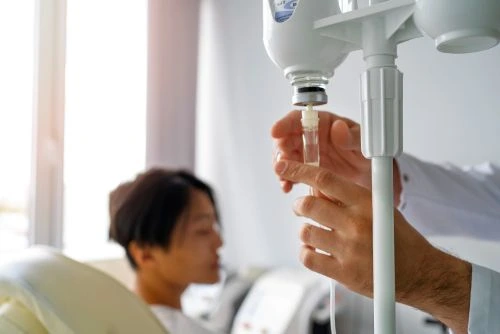
IV (intravenous) therapy involves delivering fluids, vitamins, minerals, or medications directly into the bloodstream through a vein.
Wellness IV drips are commonly used for hydration, fatigue recovery, nutrient support, and general wellness.
However, individual suitability depends on overall health, medical history, and the ingredients being administered.
IV fluids may help deliver hydration directly into the bloodstream.
Some IV drips contain vitamins, antioxidants, amino acids, or minerals.
Proper monitoring helps reduce the risk of reactions or complications.
Excess fluids may place additional strain on the heart in certain cardiovascular conditions.
Impaired kidneys may struggle to process excess fluids or certain minerals efficiently.
Conditions causing swelling or fluid overload may increase complications from IV drips.
Certain IV ingredients may trigger allergic or sensitivity reactions in some individuals.
Mild bruising, swelling, or discomfort may occur around the IV insertion area.
Improper sterile technique may increase the risk of local infection.
Excess fluids or minerals may affect electrolyte balance in sensitive individuals.
Share your complete medical history before treatment.
Inform the provider about allergies and current medications.
Choose medically supervised clinics with sterile protocols.
Avoid unnecessary or excessively frequent IV infusions without medical guidance.
IV therapy may not be suitable for everyone, especially individuals with certain heart, kidney, or fluid balance conditions.
Some people may experience bruising, swelling, allergic reactions, or temporary discomfort depending on the ingredients and medical history.
Yes, a professional medical assessment is important to determine whether IV therapy is appropriate and safe for you.
Who Should Avoid IV Therapy?
Medical Assessment Matters
Certain Conditions Need Caution
Safe Administration Is Essential
What Is IV Therapy?
Hydration Support
Nutrient Infusions
Medical Supervision Is Important
Who May Need To Avoid IV Therapy?
People With Heart Conditions
Kidney Disease Patients
People With Fluid Retention Issues
People With Allergies
Condition
Why Caution Is Needed
Possible Concern
Heart Disease
Fluid balance sensitivity
Fluid overload
Kidney Disorders
Reduced filtration ability
Electrolyte imbalance
Severe Allergies
Ingredient sensitivity
Allergic reaction
Chronic Fluid Retention
Difficulty managing fluids
Swelling or discomfort
Possible Risks & Side Effects of IV Therapy
Injection Site Issues
Infection Risk
Fluid Imbalance
Important Safety Tips Before IV Therapy
Frequently Asked Questions
Is IV therapy safe for everyone?
Can IV vitamin drips cause side effects?
Should I consult a doctor before IV therapy?
REQUEST AN APPOINTMENT
Schedule your no obligation consultation by fill out the form below.


