

REQUEST AN APPOINTMENT
LET'S CONNECT NOW
Schedule your no obligation consultation by fill out the form below.

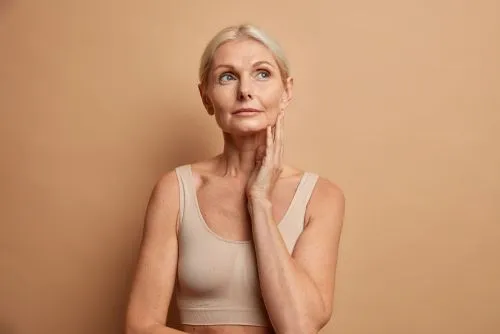
Collagen is one of the most important proteins responsible for youthful, firm, and smooth skin.
But after the age of 30, collagen production gradually declines — leading to visible facial ageing changes over time.
Natural collagen production decreases gradually after the late 20s and early 30s.
Reduced collagen can lead to sagging, wrinkles, and reduced skin elasticity.
Skincare, sun protection, and collagen-stimulating treatments may help slow visible ageing.
Collagen is a structural protein found in the skin, bones, connective tissue, and muscles.
In the skin, collagen acts like a support framework that keeps the face firm, smooth, and youthful.
As collagen levels decline with age, the skin becomes thinner, less elastic, and more prone to wrinkles and sagging.
Reduced skin support causes expression lines and wrinkles to become more noticeable over time.
Cheeks, jawline, and under-eye areas may gradually lose firmness and definition.
Ageing skin may lose hydration more easily, making the complexion appear dull and tired.
Reduced collagen renewal can contribute to rough texture and enlarged pores.
Loss of collagen and fat support can make the face appear hollow or less youthful.
UV exposure accelerates collagen breakdown and contributes to premature ageing.
UV rays are one of the leading causes of premature collagen breakdown.
Smoking reduces oxygen supply and damages collagen-producing cells.
Chronic stress and inadequate sleep may affect skin repair and regeneration.
High sugar intake and poor nutrition may contribute to faster skin ageing.
Creates controlled micro-injuries that stimulate collagen production naturally.
Heat-based technologies may help tighten skin and improve firmness.
Certain injectable treatments may encourage gradual collagen formation.
Wear sunscreen daily to reduce UV damage.
Maintain a balanced diet rich in antioxidants and protein.
Avoid smoking and excessive alcohol consumption.
Start preventive anti-ageing skincare early.
Collagen production usually begins declining gradually after the mid-to-late 20s.
While ageing cannot be stopped completely, treatments and lifestyle habits may help improve collagen stimulation and skin quality.
Yes, daily sun protection is one of the most effective ways to reduce premature collagen breakdown.
How Collagen Loss Changes Your Face After 30
Collagen Declines With Age
Skin Begins Losing Firmness
Early Prevention Helps
What Is Collagen and Why Is It Important?
Fine Lines & Wrinkles
Facial Sagging
Skin Dryness
Uneven Skin Texture
Volume Loss
Faster Sun Damage
Age Range
Common Changes
Collagen Status
20s
Minimal visible ageing
High collagen production
30s
Early fine lines & dullness
Gradual collagen decline
40s
Visible sagging & wrinkles
Reduced elasticity
50s+
Deeper folds & volume loss
Significant collagen depletion
What Accelerates Collagen Loss?
Sun Exposure
Smoking
Poor Sleep & Stress
Unhealthy Diet
Treatments That Help Stimulate Collagen
Microneedling
Radiofrequency Treatments
Collagen-Stimulating Injectables
Tips To Protect Collagen Naturally
Frequently Asked Questions
At what age does collagen loss begin?
Can collagen loss be reversed?
Does sunscreen help protect collagen?
REQUEST AN APPOINTMENT
Schedule your no obligation consultation by fill out the form below.


