
REQUEST AN APPOINTMENT
LET'S CONNECT NOW
Schedule your no obligation consultation by fill out the form below.

Struggling with stubborn fat around your waist despite regular exercise and healthy eating? Learn how liposuction can reshape the flanks, who may be a suitable candidate and what results you can realistically expect.
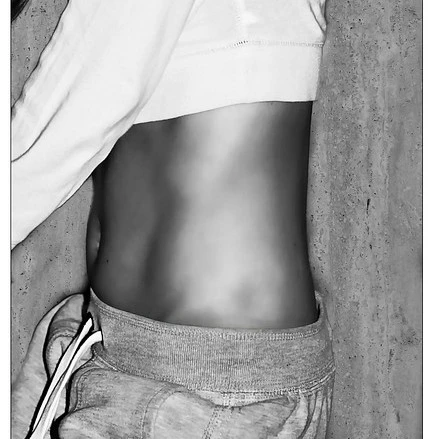
Love handles are the pockets of fat that collect along the sides of the waist, just above the hips. They can affect the body's side profile and make the waist appear less defined, even when someone is otherwise relatively fit.
For some people, these deposits remain despite consistent exercise and healthy eating. Liposuction can help reduce localised fat around the flanks and improve waist contours in appropriately selected patients. However, the right treatment depends on whether the concern is caused by localised fat, loose skin, overall weight or a combination of factors.
Yes. Liposuction can remove localised fat deposits around the flanks, commonly called love handles. It is generally intended for body contouring rather than major weight loss. The amount of improvement depends on your anatomy, skin elasticity, health, surgical plan and recovery.
Love handles are localised fat deposits around the sides of the waist and upper hips. They may be noticeable from the front, side or back and can create a fuller appearance around the waistline.
Several factors influence where your body stores fat, including genetics, hormones, age and overall body composition. Even people who exercise regularly may find that certain areas respond differently to weight changes.
Fat deposits can extend over the flanks and upper hip area.
The waistline may feel tighter around the sides even when other areas fit comfortably.
Some fat deposits may remain noticeable despite consistent healthy habits.
Liposuction is a surgical body-contouring procedure that removes selected fat deposits through small incisions using a thin tube called a cannula. The surgeon plans the treatment around the body's natural contours to improve the transition between the waist, abdomen and hips.
The surgeon evaluates fat distribution, skin elasticity, health and desired contour.
Through small incisions, a cannula is used to remove selected fat deposits.
Swelling gradually settles and the new body contours become easier to assess.
The procedure may be performed using different techniques, depending on the treatment plan. The appropriate technique, anaesthesia and surgical setting should be determined by the treating surgeon.
Liposuction may be suitable for adults who are in good general health and want to address localised fat deposits rather than achieve substantial weight loss.
Remember: Only a qualified plastic surgeon can assess your individual suitability after reviewing your health, anatomy and expectations.
Understanding the limitations of liposuction is just as important as understanding its benefits.
Liposuction is intended to improve body contours by removing localised fat, not to treat obesity or replace a weight-management plan.
It targets fat beneath the skin, not visceral fat stored deep inside the abdomen around internal organs.
If skin elasticity is limited, removing fat may leave residual looseness or make it more noticeable.
Remaining fat cells can enlarge with weight gain, and body shape may change over time.
Regular physical activity and balanced nutrition can help reduce overall body fat and support long-term health. However, you cannot reliably choose exactly where your body loses fat through specific exercises.
Core exercises, side planks and other strengthening movements may improve muscle strength, but they do not specifically remove the fat covering those muscles. Genetics and individual fat distribution also influence which areas change first.
| Approach | Main Purpose | Important Limitation |
|---|---|---|
| Exercise and nutrition | Support overall fat loss, fitness and health | Cannot guarantee fat loss from a specific area |
| Liposuction | Remove selected localised fat deposits | Requires surgery and does not replace healthy habits |
| Combined approach | Support overall health and refine selected contours | Results depend on individual anatomy, treatment and long-term habits |
Not every patient needs an advanced liposuction technique. The right choice depends on the amount and location of fat, skin quality, the desired contour and the surgeon's assessment.
Removes selected fat deposits using a cannula to improve overall contour and proportion.
Learn About Liposuction →Uses ultrasound energy to assist fat removal. Suitability depends on the patient and the planned procedure.
Explore VASER Liposuction →Focuses on more detailed contouring around selected muscle groups in appropriately chosen patients.
Explore Hi-Def Liposuction →An advanced technique is not automatically better for everyone. Ask your surgeon why a particular method is being recommended, what benefits are realistic and what additional risks may apply.
Liposuction may reduce the fullness around the flanks and create a more defined transition between the waist and hips. The change can be noticeable in clothing fit and body proportions, but the extent varies from person to person.
Results are influenced by:
Results are not immediate. Early swelling can hide the final contour. Improvement becomes clearer as healing progresses, and it can take several months for the result to settle.
Recovery varies according to the extent of treatment, the technique used, your general health and whether other procedures are performed at the same time.
Bruising, swelling, soreness and temporary changes in sensation may occur. Follow your surgeon's wound-care and medication instructions.
Your surgeon may recommend a compression garment to support the treated area and help manage swelling.
Light movement is often encouraged, while strenuous exercise and heavy lifting should wait until your surgeon clears you.
Some people return to desk-based work within days, while others need longer. Do not use a generic timeline as clearance to resume activity; follow the recovery plan provided for your procedure.
Like all surgical procedures, liposuction has potential risks. These may include:
Your surgeon should discuss the risks relevant to your health and the proposed procedure, explain alternatives and provide clear post-operative instructions. Seek urgent medical attention for concerning symptoms such as chest pain, sudden breathlessness or severe, rapidly worsening symptoms after surgery.
Fat cells removed during liposuction do not grow back in the same way as the original cells. However, the remaining fat cells can enlarge if you gain weight, and your body shape can change with ageing and other factors.
To help maintain your results:
Long-lasting improvement is possible, but no procedure can guarantee that your waistline will remain unchanged throughout life.
If you are considering treatment for stubborn fat around the waist, these pages can help you learn more about the available procedures.
If stubborn fat around your waist is affecting your body contour goals, a consultation can help establish whether liposuction is suitable or whether another approach may better address your concern.
At Inform Clinic, an individual assessment can help you understand the procedure, expected benefits, limitations, recovery requirements and potential risks before making a decision.
Request a ConsultationYes. Liposuction can remove localised fat deposits around the flanks and improve waist contours in appropriately selected patients. Suitability depends on factors such as skin elasticity, health, fat distribution and expectations.
The fat cells removed during the procedure do not simply regenerate, but remaining fat cells can enlarge with weight gain. Maintaining a stable weight helps preserve the result, although ageing and body changes can still affect your shape.
No. Liposuction is a body-contouring procedure designed to reduce selected fat deposits. It is not a substitute for weight management or a treatment for obesity.
Skin may retract to some degree after fat removal, but this depends on elasticity and individual factors. Liposuction does not reliably correct significant loose skin, so this should be discussed during your consultation.
VASER uses ultrasound energy to assist fat removal and may be considered for selected patients. It is not automatically superior to traditional liposuction for everyone. The most appropriate method depends on your anatomy, goals, risks and the surgeon's expertise.
Some contour changes may be visible early, but swelling can obscure the result. The waistline becomes easier to assess as healing progresses, and final refinement can take several months.
Liposuction requires small incisions, which can leave small scars. Their appearance varies depending on healing, incision placement, skin type and aftercare. Scars cannot be guaranteed to be invisible.
Liposuction removes fat beneath the skin, not visceral fat around internal organs. A protruding abdomen may have more than one cause, so an assessment is important before choosing a procedure.
Liposuction may help reduce stubborn love handles, but the best treatment plan starts with understanding your fat distribution, skin quality and goals. A personalised consultation can help you make an informed decision.
Contact Inform Clinic


