
REQUEST AN APPOINTMENT
LET'S CONNECT NOW
Schedule your no obligation consultation by fill out the form below.

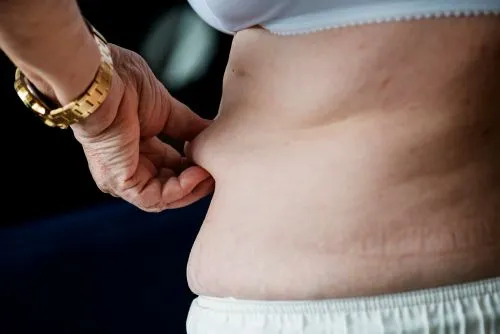
You may be eating well, staying active and maintaining a relatively stable weight, yet still notice a stubborn pocket of fat around your abdomen. This is common. Genetics, age, hormones, body-fat distribution and changes in skin elasticity can all influence where the body stores fat.
The important question is whether you are dealing with overall weight gain, localized subcutaneous fat, loose skin, or a combination of these. Different concerns require different approaches.
Treatments such as non-surgical fat reduction and liposuction are generally designed for body contouring rather than general weight loss. The right option depends on your health, the amount and location of fat, skin quality, expectations and whether you want a non-surgical or surgical approach.
Important for overall weight management and reducing excess body fat, including visceral fat.
May reduce selected small pockets of subcutaneous fat without surgery or significant downtime.
Removes localized subcutaneous fat surgically and can create a more noticeable change in body contour.
May be considered when lax skin contributes to the appearance of a less defined abdomen.
“Stubborn belly fat” usually refers to a localized pocket of fat that remains even when a person is otherwise maintaining a healthy lifestyle. It can occur around the upper abdomen, lower abdomen, waist or flanks.
However, not every protruding abdomen is caused by subcutaneous fat. Abdominal appearance can also be influenced by visceral fat, loose skin, muscle tone, bloating, pregnancy-related changes or abdominal muscle separation. Identifying the underlying concern is an important first step.
Lifestyle measures remain the foundation when the concern is overall excess body fat. A balanced diet, regular physical activity, adequate sleep and sustainable weight-management habits can reduce total body fat over time.
This is particularly important when abdominal fullness is related to visceral fat — fat located deeper inside the abdomen around internal organs. Cosmetic fat-removal procedures do not replace the health benefits of improving overall fitness and reducing excess body weight.
Non-surgical body-contouring treatments use technologies designed to affect fat cells beneath the skin. Depending on the device, technology may use controlled cooling, heat, ultrasound or other energy-based approaches.
These treatments may be suitable for people who have a relatively small, localized area of pinchable fat and want to avoid surgery. Results are generally more subtle than those achieved with liposuction and may develop gradually over several weeks or months.
Controlled cooling can target selected fat cells. The body gradually clears damaged fat cells over time.
Certain authorized technologies use ultrasound energy to target fat in selected treatment areas.
Some technologies can reduce circumference while also producing an element of skin tightening.
The number of sessions varies according to the technology and the individual treatment plan. Temporary swelling, redness, bruising, tenderness or altered sensation can occur with some procedures.
When there is a larger or more clearly defined deposit of subcutaneous abdominal fat, liposuction may be considered. It is a surgical procedure in which excess fat is removed through small incisions using a specialized cannula.
Liposuction can be used to contour the abdomen, waist and other areas where localized fat has remained despite lifestyle efforts. Because the fat is physically removed, the change in contour can be more noticeable than with many non-surgical approaches.
Sometimes the abdomen looks less defined not simply because of excess fat, but because the skin has lost elasticity. This can happen after significant weight loss, pregnancy or natural aging.
Depending on the degree of laxity, energy-based skin-tightening treatments may provide some improvement. If there is substantial excess skin, a surgical procedure such as an abdominoplasty may be discussed instead.
The important point is that fat removal and skin tightening are not the same thing. Removing fat from an area with significant laxity may not produce the desired contour by itself.
| Approach | Best Suited For | Surgery? | Typical Result |
|---|---|---|---|
| Lifestyle changes | Overall excess body fat | No | Gradual overall fat reduction |
| Non-surgical fat reduction | Small localized fat pockets | No | Usually gradual, subtle contour improvement |
| Liposuction | Localized subcutaneous fat | Yes | More noticeable contour change |
| Skin tightening | Selected cases with skin laxity | Depends on procedure | Improved firmness/contour in suitable patients |
There isn't one treatment that is appropriate for everyone with belly fat. A consultation should first determine what is creating the abdominal fullness.
Weight-management strategies and medical assessment should come first.
A non-surgical body-contouring treatment may be considered.
Liposuction may be discussed if you are an appropriate surgical candidate.
Skin-tightening or surgical skin-removal options may need to be considered.
The popularity of body contouring has also led to many unregulated products and procedures being marketed as quick ways to dissolve abdominal fat.
If you are considering belly fat reduction in Hyderabad, the first step is not necessarily choosing a procedure. A consultation can help determine whether the concern is localized fat, overall weight, loose skin or a combination of factors.
At Inform Clinics, body-contouring options can be discussed according to your individual goals, body composition, skin quality and suitability for treatment.
Is the fat subcutaneous or visceral?
Do I have enough skin elasticity for the treatment I am considering?
How many treatment sessions might I need?
What results are realistic for my body type and treatment?
What are the risks, recovery requirements and possible side effects?
Is there a non-surgical alternative or would surgery provide a more appropriate contour?
It depends on what is causing the abdominal fullness. Lifestyle changes are important for overall excess body fat, while localized subcutaneous fat may be addressed with non-surgical body contouring or liposuction in appropriately selected patients.
Certain authorized non-invasive body-contouring technologies can reduce selected pockets of subcutaneous fat. Results are generally localized and are not the same as overall weight loss.
No. Liposuction is primarily a body-contouring procedure for localized deposits of subcutaneous fat. It is not a substitute for weight management and does not remove visceral fat.
The fat cells removed during liposuction do not grow back, but remaining fat cells can enlarge if you gain weight. Maintaining a stable, healthy weight is important for maintaining the contour.
Fat-freezing technology may be used for selected localized areas of pinchable subcutaneous fat. Suitability depends on the treatment area, the device used, your anatomy and individual risk factors.
Fat reduction alone may not address significant loose skin. Depending on the degree of laxity, skin-tightening treatment or a surgical procedure may be discussed as part of a comprehensive body-contouring plan.
Results vary by technology and individual response. Some non-invasive treatments produce gradual changes over several weeks to months, and more than one session may be recommended.
A personalised assessment can help determine whether your concern is localized fat, loose skin or a combination — and whether a non-surgical or surgical approach is appropriate.
Book a Consultation


