
REQUEST AN APPOINTMENT
LET'S CONNECT NOW
Schedule your no obligation consultation by fill out the form below.

Artificial intelligence is transforming skincare and dermatology.
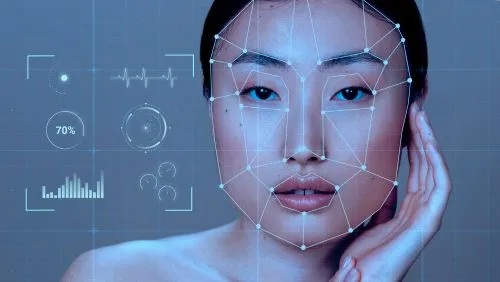
AI-based skin analysis tools can now evaluate concerns such as pigmentation, acne, pores, wrinkles, hydration, and skin texture using advanced imaging technology — but how accurate are these systems really?
Modern systems analyze skin using high-resolution cameras and machine learning algorithms.
AI tools can assess pigmentation, pores, hydration, wrinkles, and acne-related issues.
AI skin analysis works best when combined with professional dermatological evaluation.
AI skin analysis uses artificial intelligence software and digital imaging systems to evaluate skin health and appearance.
These systems capture facial images and analyze multiple skin parameters using algorithms trained on large datasets.
Many aesthetic clinics and dermatology centers use AI-assisted scanners to provide detailed skin assessments before recommending treatments or skincare routines.
Specialized cameras capture detailed skin images under different lighting conditions.
AI systems compare skin features with large databases to identify patterns and concerns.
Many tools generate visual reports showing problem areas and estimated skin condition scores.
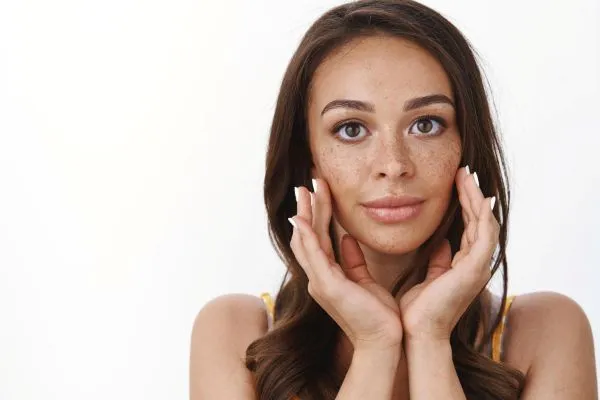
AI can often identify visible patterns related to acne, pores, pigmentation, and texture changes.
Repeated scans may help monitor changes in skin quality over time.
AI systems may not fully interpret complex medical skin conditions or subtle clinical findings.
Dermatologists provide clinical judgment that technology alone cannot replace.
Skin analysis reports are usually generated within minutes during consultation.
Digital analysis may provide measurable skin data instead of purely visual assessment.
Some systems help customize skincare routines and aesthetic treatment planning.
AI may not accurately diagnose all medical skin disorders.
Lighting, camera quality, and image angles can affect results.
Skin tone diversity and dataset limitations may influence accuracy.
Professional dermatological expertise is still essential for diagnosis and treatment planning.
AI tools may assist in identifying patterns, but they should not replace professional medical diagnosis by a dermatologist.
Many systems can effectively detect visible acne, pores, texture irregularities, and pigmentation patterns, although accuracy may vary.
Yes, they are commonly used to help assess skin condition and guide personalized skincare or aesthetic treatment planning.
AI Skin Analysis: Is It Accurate?
AI Uses Advanced Imaging
Helps Detect Multiple Concerns
Not a Replacement for Doctors
What Is AI Skin Analysis?
High-Resolution Imaging
Pattern Recognition
Detailed Skin Reports
How Accurate Is AI Skin Analysis?
Useful for Skin Assessment
Helpful for Tracking Progress
Limitations Still Exist
Professional Evaluation Remains Important
Skin Concern
AI Detection Capability
Clinical Review Still Needed?
Pores & Texture
Often effective
Sometimes
Pigmentation
Commonly detected
Yes
Wrinkles & Fine Lines
Usually measurable
Sometimes
Complex Skin Diseases
Limited reliability
Definitely
Benefits of AI-Based Skin Analysis
Quick Assessment
Objective Measurements
Personalized Recommendations
Limitations of AI Skin Analysis
Frequently Asked Questions
Can AI diagnose skin diseases?
Is AI skin analysis accurate for acne and pigmentation?
Are AI skin scanners useful before treatments?
REQUEST AN APPOINTMENT
Schedule your no obligation consultation by fill out the form below.


